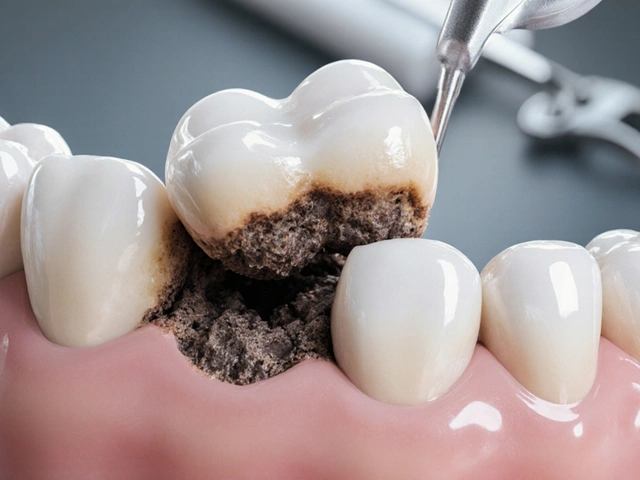
Jak zlepšit ústní hygienu: praktické kroky pro zdravé zuby a dásně
Zjistěte, jak skutečně zlepšit ústní hygienu: správné čištění zubů, výběr pasty, důležitost zubní niti a co jíst. Naučte se, proč krvácení dásní není normální a jak to zastavit.
When it comes to oral health, zubní nit, nástroj pro čištění prostoru mezi zuby, který kartáček nedosáhne. Also known as zubní niti, it is the only way to remove zubní plak from tight spaces where bacteria hide and cause decay and gum disease. If you skip it, you’re leaving up to 40% of tooth surfaces dirty—no matter how hard you brush.
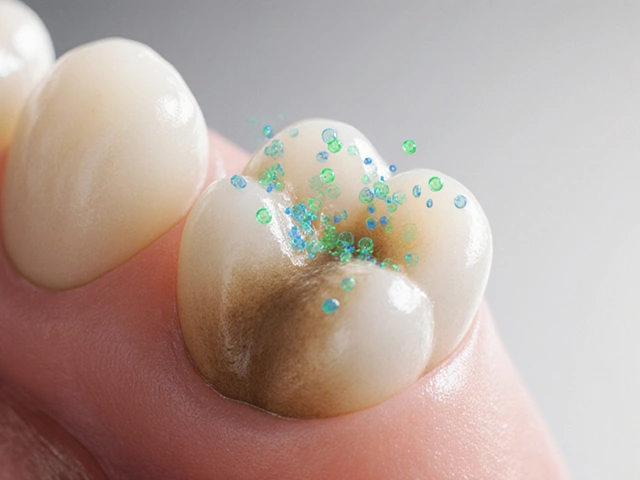
Most people think brushing is enough, but dásně don’t care how shiny your teeth are if the gunk between them isn’t gone. Plak that stays between teeth turns into tartar in just days, and that’s when bleeding, swelling, and even tooth loss start. Studies show people who use dental floss daily cut their risk of gum disease by nearly half. It’s not magic—it’s physics. The bristles of a toothbrush are too thick to fit between teeth. Only floss can do that job.
You don’t need fancy tools. A simple nylon floss works fine. Some prefer waxed for tight contacts, others like tape for sensitive gums. The trick isn’t the type—it’s the technique. Don’t snap it down hard. Gently slide it between teeth, curve it into a C-shape around each tooth, and move it up and down. Do this for every tooth, front and back. Take your time—30 seconds per side. If your gums bleed at first, don’t stop. That’s a sign they’re inflamed from plaque. Keep going, and the bleeding usually stops in a week.
And yes, it matters for everyone—even if you have implants, crowns, or braces. Plak builds up just as fast around implants, and if it’s not removed, it can cause peri-implantitis, a serious infection that leads to bone loss. Same goes for crowns—plak collects at the gumline where the crown meets the tooth, and that’s where decay hides. Kids need it too. Once two teeth touch, you start flossing. No exceptions.
Some say water flossers are better. They help, especially with braces, but they don’t replace mechanical floss. Water can flush out debris, but it can’t scrape off sticky biofilm like floss does. Think of it like washing dishes: rinsing with water helps, but you still need a sponge to scrub off the grease.
In our clinic, we see patients who brush twice a day but still lose teeth—not because of sugar, but because they ignored what happens between them. The posts below show you exactly how to fix that. You’ll find practical tips on choosing the right floss, how to floss with braces or implants, why some people bleed and others don’t, and how flossing connects to your overall health—from heart disease to brain fog. This isn’t about perfection. It’s about consistency. One minute a day. That’s all it takes to keep your gums healthy, your breath fresh, and your smile intact for decades.
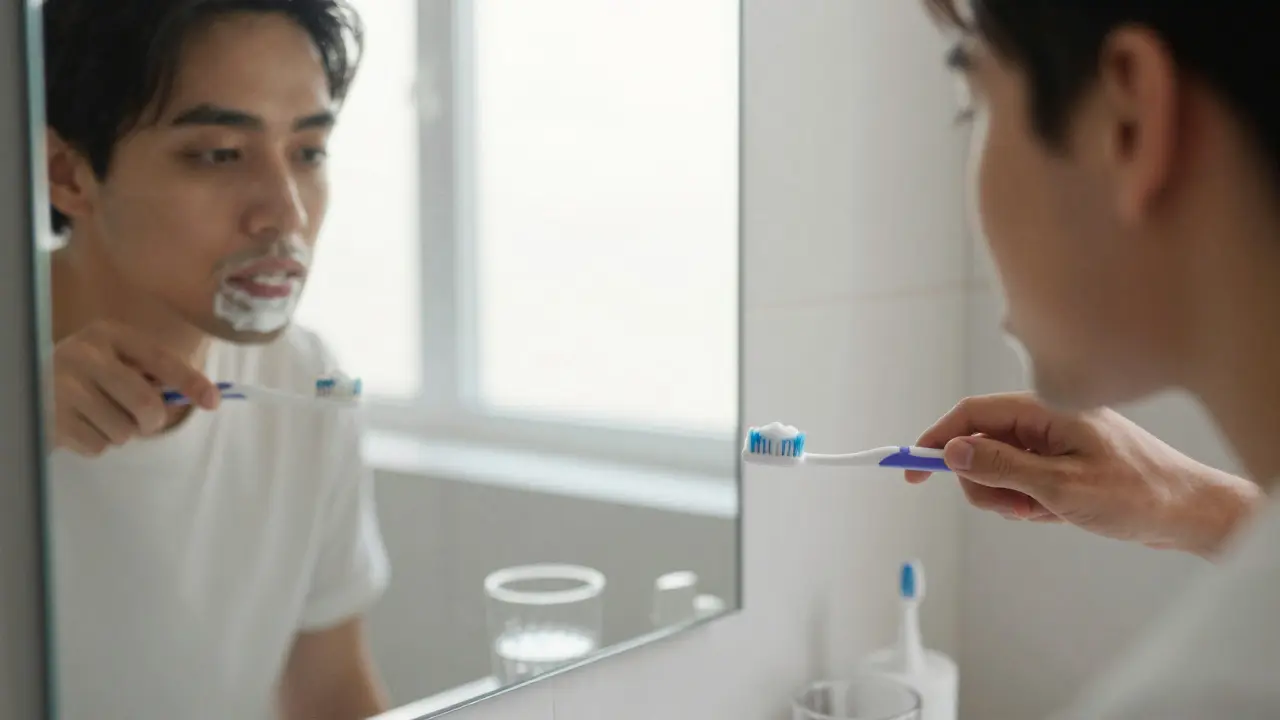
Zjistěte, jak skutečně zlepšit ústní hygienu: správné čištění zubů, výběr pasty, důležitost zubní niti a co jíst. Naučte se, proč krvácení dásní není normální a jak to zastavit.
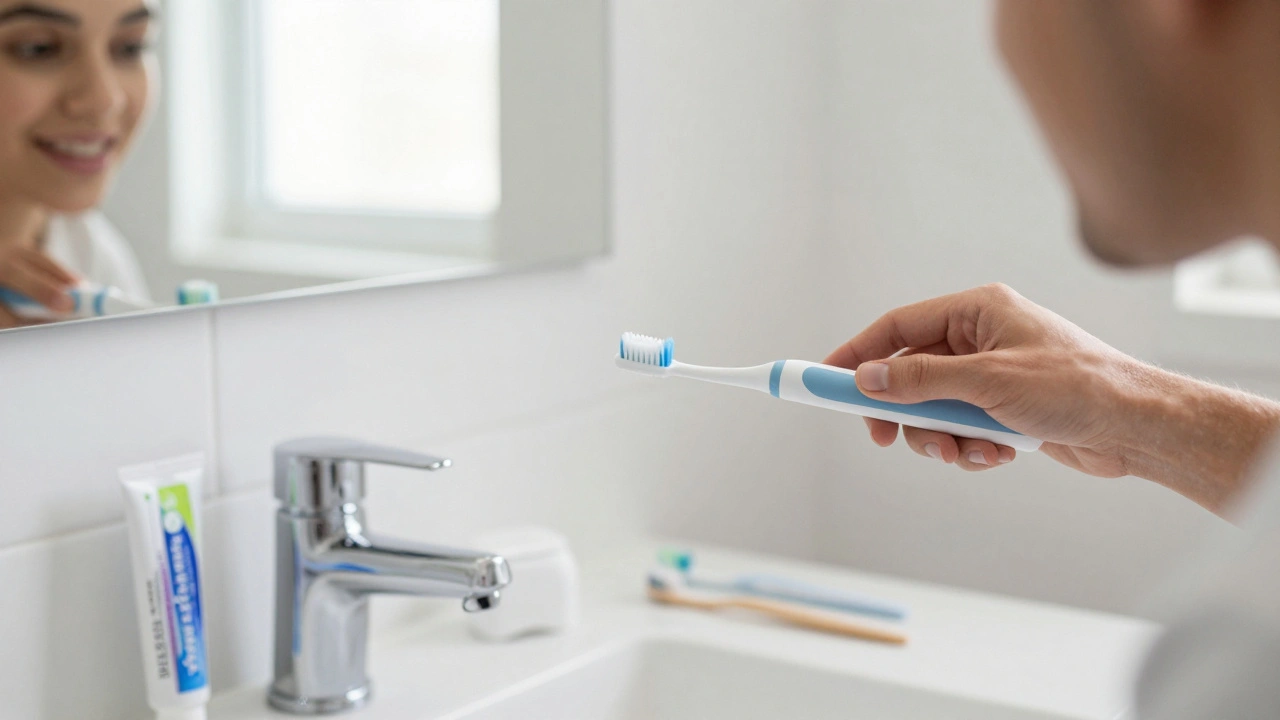
Dokonalá dentální hygiena není jen o čištění zubů. Zahrnuje správné nástroje, pravidelné návyky a porozumění zánětu dásní. Zjistěte, jak skutečně chránit zuby a dásně na celý život.